

A cracked tooth may seem like a minor dental problem, especially when the discomfort comes and goes. However, delaying an evaluation can allow the crack to become more extensive and create additional problems. Because teeth experience pressure every time you bite and chew, an existing crack may gradually worsen over time.
Not every cracked tooth requires the same type of care. The location, depth, and severity of the crack all influence whether the tooth can be preserved. Getting professional attention early can help determine what is happening and whether treatment can protect the natural tooth.
The Crack May Become Larger
A tooth does not heal itself in the same way as a broken bone. Once a crack develops, normal biting forces can cause it to extend further.
You may initially notice discomfort only when chewing certain foods or biting in a particular direction. As the crack progresses, symptoms may become more frequent or intense.
The longer the tooth is exposed to normal chewing pressure, the greater the potential for additional structural damage. This is one reason an evaluation is recommended when you notice unexplained pain or sensitivity in a particular tooth.
Pain and Sensitivity May Increase
A cracked tooth can cause sharp or unpredictable pain. Some people experience discomfort when biting down, while others notice pain when releasing their bite.
Sensitivity to hot or cold may also occur if the crack affects structures closer to the inside of the tooth. In some cases, symptoms may temporarily disappear, which can make it tempting to postpone care.
However, temporary relief does not necessarily mean the underlying problem has gone away. Recurring symptoms should be evaluated rather than ignored.
Bacteria May Reach Deeper Into the Tooth
A crack can create an opening through which bacteria may move toward the inner portions of the tooth. If bacteria reach the pulp, the tissue inside the tooth can become inflamed or infected.
At that point, the problem may involve more than the original structural crack. You may develop persistent pain, increased sensitivity, swelling, or other signs of infection.
Prompt Cracked Teeth Treatment can help determine the extent of the damage and whether the tooth can be treated before the problem becomes more complicated.
Infection Can Develop
When bacteria reach the pulp, infection can develop inside the tooth. An untreated infection may eventually affect the tissues surrounding the tooth’s root.
Signs of a possible infection can include swelling, tenderness, a recurring bump on the gum, persistent pain, or drainage. Some infections may cause relatively few symptoms at first, so the absence of severe pain does not always mean the tooth is healthy.
If you notice swelling accompanied by fever, facial swelling, or difficulty swallowing or breathing, seek urgent medical attention.
The Tooth May Become More Difficult to Save
Early evaluation may provide more opportunities for preserving a natural tooth. As a crack progresses, it can affect more of the tooth’s structure and potentially make successful treatment more difficult.
The type of crack is especially important. Some cracks may be treatable, while others extend into areas that make long-term preservation unlikely.
An endodontic specialist can examine the tooth and determine whether the crack involves the outer structure, pulp, root, or other areas.
Delayed Care Can Affect Your Bite
A painful cracked tooth may cause you to change the way you chew. You might naturally avoid using one side of your mouth because biting on the affected tooth is uncomfortable.
Over time, this can make eating less comfortable and may place more chewing pressure on other teeth. Addressing the source of the problem can help restore more comfortable function when the tooth is treatable.
What Happens During an Evaluation?
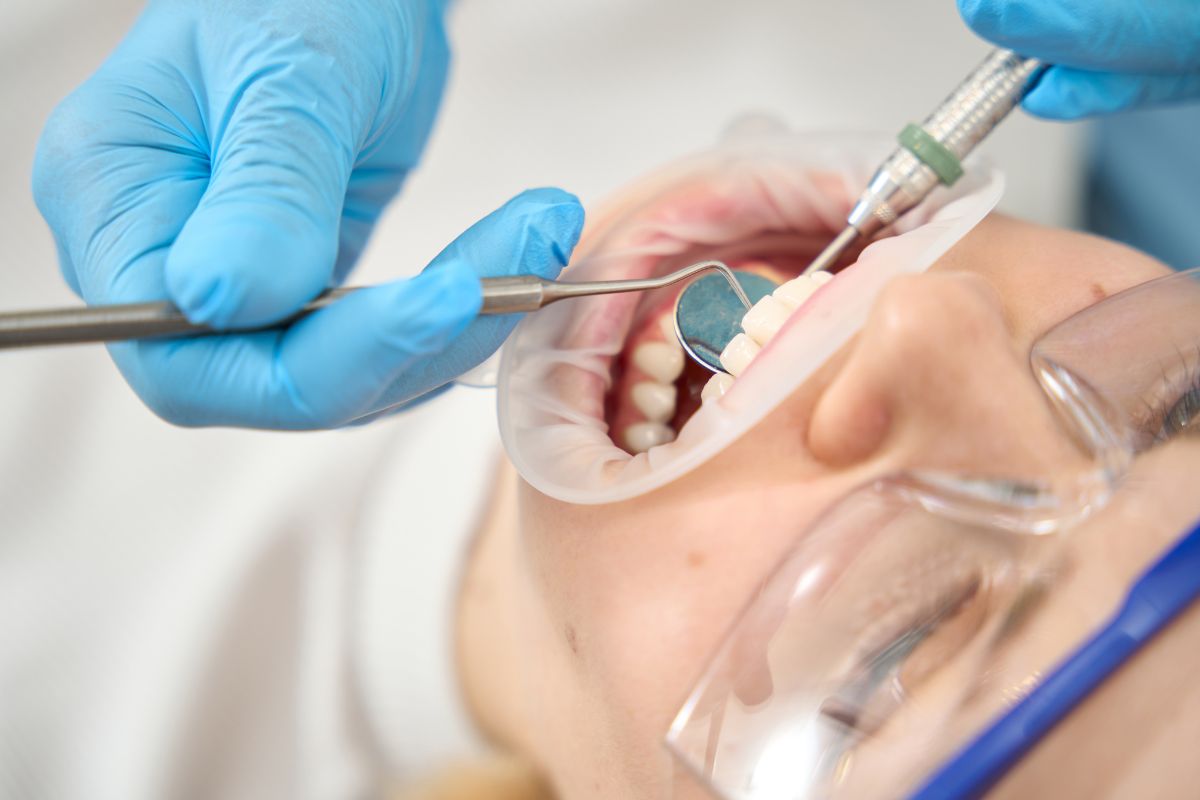
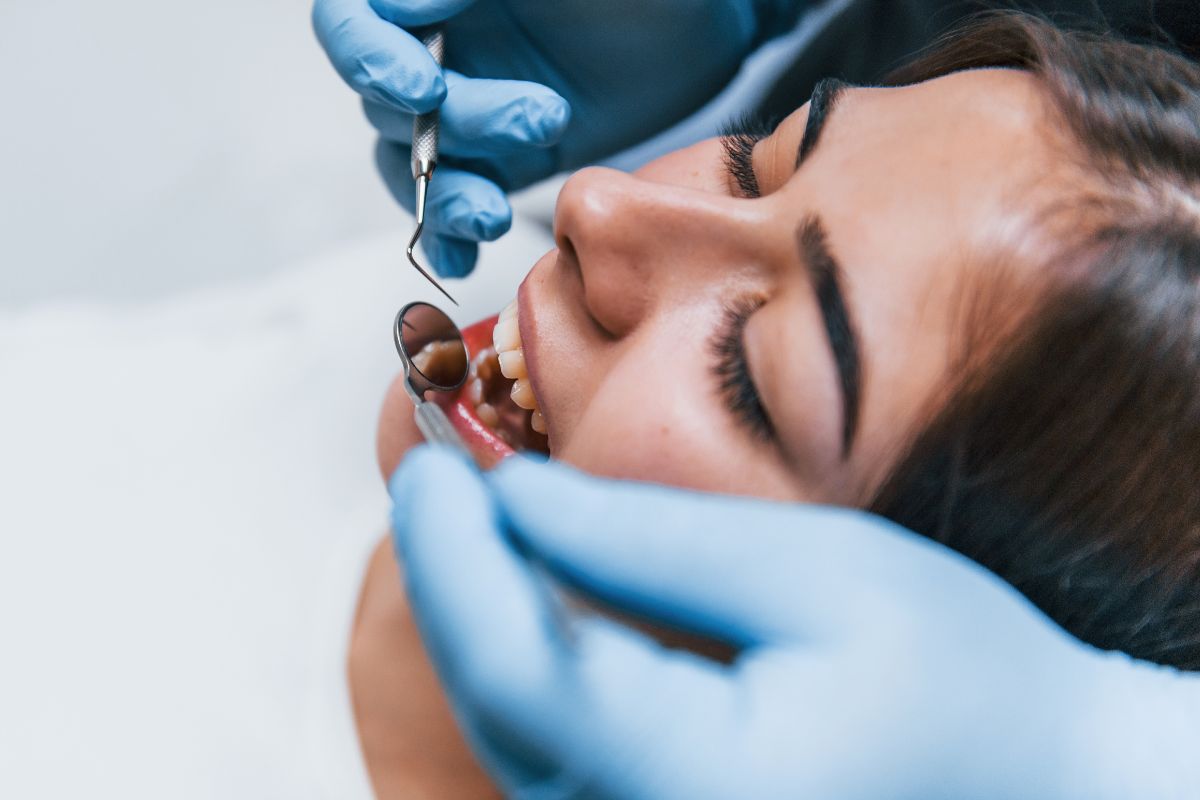
Your dental provider will begin by asking about your symptoms, when they started, and what activities trigger the discomfort. The affected tooth may be examined for visible cracks, tenderness, or changes in the surrounding gum.
Diagnostic testing may also be performed to determine how the tooth responds to pressure or temperature. Dental imaging can provide additional information about the tooth and surrounding structures, although some cracks can be difficult to detect on standard images.
At Desert Sun Endodontics, an evaluation can help determine the location and extent of a suspected crack and whether endodontic care may be appropriate.
Can a Cracked Tooth Be Saved?
That depends on the type and severity of the crack. If the tooth has enough healthy structure and the crack can be treated predictably, preserving the natural tooth may be possible.
When the pulp is affected, endodontic care may be recommended to address the internal problem. The tooth may then require additional restoration to protect its remaining structure.
However, some cracks extend too deeply or affect the tooth in a way that makes preservation unlikely. In those situations, extraction may be discussed.
Why Early Evaluation Matters
Waiting for a cracked tooth to become severely painful is not a reliable way to determine when care is needed. A crack can progress even when symptoms are mild or intermittent.
Seeking an evaluation when symptoms first appear allows your dental team to assess the tooth before additional damage occurs. It also gives you a clearer understanding of your available treatment options.
If you have noticed pain when biting, unexplained sensitivity, or recurring discomfort in one tooth, consider scheduling an evaluation rather than waiting for symptoms to worsen.
Protect Your Tooth With Timely Care
A cracked tooth should not be ignored simply because the discomfort is mild or occasional. Delaying care can allow the crack to progress, increase the risk of infection, and potentially reduce the options available for preserving the tooth.
If you suspect that you have a cracked tooth or are experiencing recurring pain when biting or chewing, contact Desert Sun Endodontics to schedule an evaluation and learn what treatment options may be appropriate for your tooth.
Frequently Asked Questions
1. Can a cracked tooth heal on its own?
No. A tooth does not naturally repair a structural crack. Professional evaluation is important to determine whether the tooth can be protected or treated.
2. Does every cracked tooth need to be extracted?
No. Some cracked teeth can be treated and preserved, depending on the location and severity of the crack and the amount of healthy tooth structure remaining.
3. Can a cracked tooth cause an infection?
Yes. If a crack allows bacteria to reach the pulp, inflammation or infection may develop inside the tooth. Prompt evaluation can help identify this problem.
4. Why does a cracked tooth hurt when I bite?
Biting can cause the cracked portions of the tooth to move slightly, irritating the tissues inside or around the tooth. Other dental problems can cause similar symptoms, so an examination is necessary.
5. Can a cracked tooth become worse if I wait?
Yes. Repeated chewing forces can cause a crack to extend or lead to additional structural damage. Early evaluation may help prevent the problem from becoming more complicated.
6. When should I see an endodontic specialist?
Consider an evaluation if you have recurring pain, pain when biting, unexplained sensitivity, swelling, or a known crack. A specialist can determine whether the tooth may benefit from endodontic care.