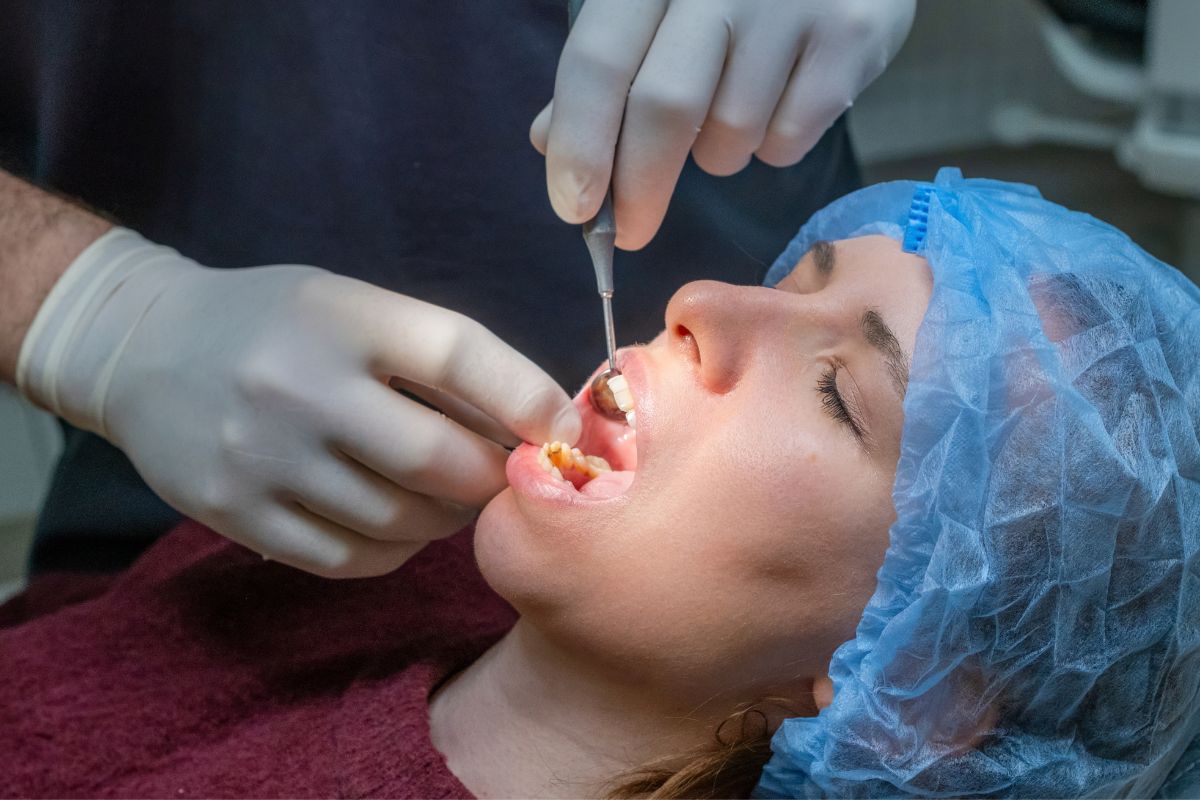


A root canal-treated tooth is designed to remain functional, but occasionally a tooth can develop symptoms after treatment. Pain, swelling, tenderness, or an infection may return months or even years later.
When that happens, the next step is not always extraction. Endodontic Retreatment Phoenix may be an option when a previously treated tooth has not healed as expected or develops another problem.
Understanding why retreatment may be recommended can make a second treatment feel much less confusing.
Why Can a Root Canal-Treated Tooth Develop Problems?
Root canal treatment removes damaged or infected pulp, cleans the canal system, and seals the space inside the tooth. However, root canal anatomy can be complex.
Some teeth have very small, curved, or additional canals. Other problems can develop after the original treatment.
Possible reasons for persistent or recurring symptoms include:
- Complex canal anatomy
- A canal that was not fully treated
- New bacterial contamination
- New decay
- Leakage around a restoration
- A fracture or crack
- Delayed or inadequate final restoration
The specific cause must be determined before retreatment is recommended.
What Symptoms Should You Watch For?
A previously treated tooth may need evaluation if you notice:
Persistent pain: Discomfort that continues after treatment or returns later should be assessed.
Pain when biting: Tenderness when chewing can indicate an issue involving the tooth or surrounding tissues.
Swelling: Swelling near the tooth may be associated with infection or inflammation.
Gum tenderness: Localized tenderness or a bump near the treated tooth can be another reason to schedule an evaluation.
Recurring symptoms: Symptoms that disappear and return should not be ignored simply because they are intermittent.
Not every symptom means retreatment is necessary. A detailed examination is needed to determine the cause.
How Is Endodontic Retreatment Different From the First Root Canal?
The basic goal remains similar: address the source of infection or inflammation and seal the canal system.
However, retreatment begins with a tooth that has already been treated.
During retreatment, the existing filling material is removed so the canals can be examined again. The endodontist then looks for possible causes of the previous treatment problem, cleans and disinfects the canal system, and seals the canals again when appropriate.
The tooth will then need the appropriate final restoration.
Because every previously treated tooth is different, retreatment may be more complex than initial root canal therapy.
When Is Retreatment an Option?
Retreatment may be considered when the tooth has sufficient remaining structure and the underlying problem can be addressed through another nonsurgical procedure.
For example, if an untreated canal is discovered or bacterial contamination has occurred, reopening the tooth may allow the endodontist to address the problem.
However, retreatment is not automatically appropriate for every tooth.
The presence of a post, crown, fracture, extensive structural damage, or other factors can influence the treatment plan.
What If Retreatment Is Not Possible?
In some cases, another treatment approach may be considered.
An apicoectomy, also known as root-end surgery, may be appropriate when inflammation or infection remains around the root tip and conventional retreatment is not the best option.
During an apicoectomy, the affected root tip and surrounding infected tissue are accessed through the gum. The root end is then cleaned and sealed.
The appropriate option depends on the condition of the tooth, the location of the problem, previous treatment, and the surrounding tissues.
Does Retreatment Mean the First Root Canal Failed?
Not necessarily.
A tooth can develop a new problem after successful initial treatment. Dental treatment does not make a tooth immune to future decay, cracks, trauma, or other oral health issues.
In other cases, complex anatomy or an issue that was difficult to identify during the original treatment may contribute to persistent disease.
Rather than focusing only on whether the first treatment “worked,” it is more useful to identify what is happening inside the tooth now.
What Happens Before Retreatment?
Diagnosis comes first.
Your endodontist will review your symptoms and dental history and examine the affected tooth. Diagnostic imaging may be used to evaluate the roots and surrounding bone.
The provider will then discuss the findings and explain whether retreatment, surgery, monitoring, or another approach is appropriate.
This evaluation is particularly important when a tooth has already undergone treatment because several conditions can cause similar symptoms.
How Can You Care for a Retreated Tooth?
Follow the instructions provided after treatment. Your tooth may require a permanent restoration or replacement restoration to protect it.
Continue brushing and flossing as recommended, and maintain routine dental visits.
If you experience new pain, swelling, or changes around the treated tooth, contact your dental provider rather than waiting for symptoms to become more severe.
Frequently Asked Questions
1. Why would I need endodontic retreatment?
Retreatment may be considered when a previously treated tooth has persistent or recurring infection, inflammation, or symptoms and the tooth can potentially be treated again.
2. Can a root canal be done twice?
Yes. A tooth that has already received root canal therapy may sometimes undergo endodontic retreatment when the tooth is suitable for another nonsurgical procedure.
3. Does retreatment hurt more than the first root canal?
The experience varies by case. Local anesthesia is used during treatment, and your provider will discuss comfort measures based on your individual needs.
4. Does a painful root canal-treated tooth always need retreatment?
No. Pain can have several causes. The tooth should be evaluated to determine whether the symptoms are coming from the treated tooth and what is causing them.
5. What if retreatment is not possible?
Depending on the diagnosis, an apicoectomy or another treatment may sometimes be considered. In some cases, extraction may be necessary if the tooth cannot be predictably preserved.
6. How soon should I have a painful treated tooth evaluated?
Persistent pain, swelling, or other new symptoms should be evaluated promptly. Early assessment can help identify the cause and clarify what treatment options may be available.
If a tooth that previously had a root canal is causing pain, swelling, or tenderness again, contact Desert Sun Endodontics to schedule an evaluation and learn whether Endodontic Retreatment Phoenix may be an appropriate option for preserving the tooth.