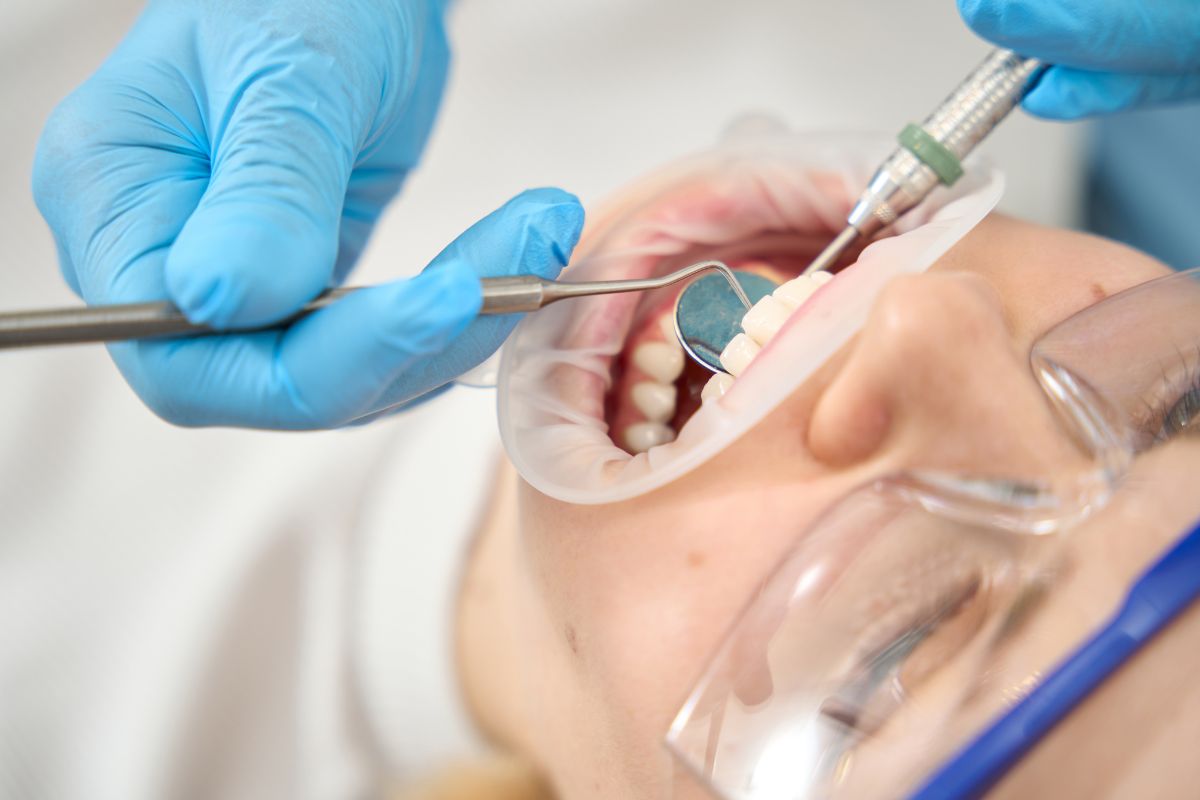


When a tooth becomes severely damaged, infected, or painful, extraction may seem like the only solution. However, removing a tooth is not always necessary. In many situations, endodontic care can help treat the problem while preserving the natural tooth. Saving the original tooth can help maintain your natural bite and avoid some of the challenges that can come with replacing a missing tooth.
The best treatment depends on the condition of the tooth, the extent of the damage, and whether the tooth can be restored successfully. An evaluation can help determine whether preserving the tooth is a realistic option.
Why Might a Tooth Need to Be Extracted?
Tooth extraction may be recommended when a tooth is too damaged or compromised to be restored. Extensive decay, severe cracks, significant infection, or structural damage can sometimes make saving a tooth difficult.
However, the presence of pain or infection does not automatically mean the tooth needs to be removed. When the problem involves the soft tissue inside the tooth, root canal therapy may be able to remove the damaged or infected tissue and allow the remaining tooth structure to be preserved.
This is why an accurate diagnosis is important before deciding on extraction.
How Can Root Canal Treatment Save a Tooth?
Inside each tooth is a soft area called the pulp, which contains nerves and blood vessels. Deep decay, repeated dental procedures, cracks, or trauma can damage or infect this tissue.
During root canal treatment, the diseased pulp is removed from inside the tooth. The space is then cleaned, disinfected, and sealed to help prevent additional infection.
The goal is to eliminate the source of the problem while keeping the natural tooth in place. After the procedure, the tooth may require a restoration such as a crown to protect its remaining structure and restore normal function.
For many patients, this approach can provide an alternative to removing the tooth.
Can an Infected Tooth Be Saved?
In some cases, yes. An infection inside the tooth does not necessarily mean the tooth must be extracted. If enough healthy tooth structure remains and the supporting tissues are suitable, treatment may be able to eliminate the infection and preserve the tooth.
An Endodontist in Phoenix can evaluate the affected tooth and determine whether root canal treatment or another procedure may help preserve it.
The condition of the surrounding bone and gums, the amount of remaining tooth structure, and the location of the infection can all influence the treatment recommendation.
What If the Tooth Has Been Treated Before?
A tooth that previously received root canal treatment can sometimes develop problems again. This may happen if the original infection was not completely eliminated, new infection developed, or the tooth became damaged afterward.
In suitable cases, root canal retreatment may provide another opportunity to preserve the natural tooth. During retreatment, the previous treatment materials are removed so the inside of the tooth can be carefully examined, cleaned, and treated again.
If retreatment is not appropriate, another procedure may sometimes be considered. The recommended option depends on the specific cause of the problem.
What About a Cracked or Damaged Tooth?
Not every damaged tooth needs to be extracted. The type, location, and severity of a crack are important when determining whether a tooth can be saved.
Some cracks can be treated when the affected tooth structure remains sufficiently intact. Other cracks may extend too deeply into the tooth or below the gum line, making successful preservation difficult.
Because cracks can be difficult to identify from symptoms alone, a detailed examination can help determine what is happening and which treatment options may be available.
When Might Extraction Still Be Necessary?
Although preserving the natural tooth is often desirable, saving every tooth is not possible. Extraction may be necessary when a tooth has extensive structural damage, an unfavorable fracture, or insufficient healthy tooth structure to support a successful restoration.
The supporting tissues around the tooth also matter. Severe bone or gum problems may affect whether treatment is likely to succeed.
If extraction is recommended, your dental team can discuss replacement options and explain how to maintain your oral function after the tooth is removed.
Why Early Evaluation Matters
Waiting too long to address tooth pain or infection can allow a dental problem to become more complicated. An infection may spread beyond the tooth, while additional damage can reduce the available treatment options.
Symptoms such as persistent tooth pain, prolonged sensitivity to hot or cold, swelling, tenderness when biting, or a recurring problem with a previously treated tooth should not be ignored.
Seeking an evaluation early does not necessarily mean you will need a root canal. It simply gives your dental team an opportunity to identify the cause of the problem and determine the most appropriate treatment.
What Happens During an Endodontic Evaluation?
An evaluation typically begins with a discussion of your symptoms and dental history. The affected tooth is then examined, and diagnostic imaging may be used to better understand the roots and surrounding structures.
Your dentist or specialist will consider the condition of the tooth and explain whether it may be preserved. Depending on the diagnosis, treatment could include root canal therapy, retreatment, an apical procedure, or another appropriate approach.
At Desert Sun Endodontics, the goal is to provide specialized care based on the condition of each individual tooth. If you are searching for Endodontist Phoenix patients can discuss their symptoms and treatment concerns during a professional evaluation.
Choosing Tooth Preservation When Possible
Keeping your natural tooth can have important advantages. A preserved tooth can continue to contribute to your normal bite and chewing function without immediately requiring a replacement.
However, tooth preservation should never come at the expense of long-term oral health. The appropriate treatment is the one that offers the best chance of resolving the problem while maintaining healthy function.
If you have been told that a tooth may need to be extracted, consider asking whether an endodontic evaluation could help determine if preservation is possible. Endodontic Treatment Phoenix patients receive should always be based on an individualized diagnosis rather than symptoms alone.
Explore Your Tooth-Saving Options
Tooth pain or infection does not automatically mean you need an extraction. In appropriate cases, endodontic treatment can address problems inside the tooth while helping you keep your natural smile and function.
If you have been advised to consider extraction or are experiencing persistent symptoms, schedule an evaluation with Desert Sun Endodontics to find out whether your tooth may be treatable and what options are available.
Frequently Asked Questions
1. Can a root canal prevent tooth extraction?
In many appropriate cases, root canal treatment can remove infected or damaged pulp while preserving the natural tooth. However, the tooth must have enough healthy structure and suitable supporting tissues for treatment to succeed.
2. Does an infected tooth always need to be removed?
No. Some infected teeth can be treated with root canal therapy. Whether the tooth can be saved depends on the extent of infection, remaining tooth structure, and overall condition of the tooth.
3. Can a previously treated tooth be saved?
Sometimes. Root canal retreatment or another endodontic procedure may be possible when a previously treated tooth develops another problem. An evaluation can determine whether preservation is realistic.
4. Can a cracked tooth be saved without extraction?
Some cracked teeth can be treated, while others cannot. The location and severity of the crack are important factors. A specialist can evaluate the tooth and discuss your options.
5. When should I see an Endodontist for tooth pain?
Consider seeking an evaluation for persistent tooth pain, lingering hot or cold sensitivity, pain when biting, swelling, or symptoms involving a previously treated tooth. Early assessment may provide more treatment options.
6. What happens if my tooth cannot be saved?
If a tooth cannot be predictably preserved, extraction may be recommended. Your dental team can discuss replacement options and help you determine the next step for maintaining your oral health.